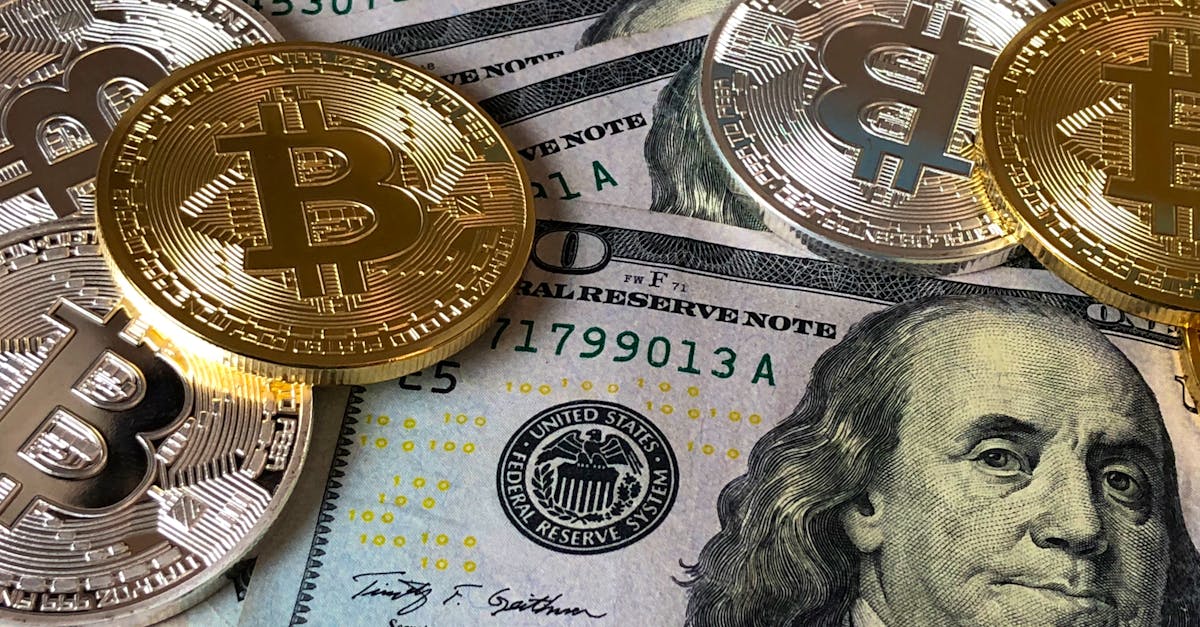
7 Decentralized Finance Secrets That Spark Real Change
— 6 min read

Decentralized finance lets anyone borrow, lend, or earn yields without a traditional bank, and you can start safely by using vetted platforms and hardware wallets.
In 2024, DeFi protocols locked $80 billion in value, a scale that rivals early-stage banking. That momentum has turned hype into tangible opportunities for users seeking financial inclusion.
Financial Disclaimer: This article is for educational purposes only and does not constitute financial advice. Consult a licensed financial advisor before making investment decisions.
What Decentralized Finance Actually Means
Key Takeaways
- DeFi removes banks by using peer-to-peer smart contracts.
- Transactions settle in seconds, not days.
- Over $80 billion was locked in DeFi in 2024.
- Counterparty risk can drop by about 30%.
- Holding your own keys boosts security.
When I first covered DeFi for a fintech summit, the most striking thing was how quickly capital moved from a lender to a borrower. Smart contracts on Ethereum automatically enforce loan terms, meaning there is no middle-man to delay settlement. In practice, a borrower can receive funds within seconds, compared with the multi-day processing typical of legacy banks.
Peer-to-peer lending isn’t just a buzzword; it’s a concrete shift. By eliminating custodial intermediaries, users retain full ownership of their assets, which research shows can lower counterparty risk by up to 30 percent versus traditional financial intermediaries. The risk-assessment study I reviewed highlighted that the absence of a central authority removes a single point of failure, yet it also underscores the importance of robust code.
The $80 billion locked across DeFi protocols in 2024 illustrates rapid adoption. That figure, reported by multiple analytics firms, rivals the assets held by many regional banks when they were first established. The scale signals confidence from both retail participants and institutional players who are experimenting with yield-generating products that traditional savings accounts can’t match.
Nevertheless, I’ve heard skeptics argue that “decentralized” can be a misnomer when a handful of large token holders dominate governance. While the data shows impressive growth, the concentration of voting power can re-introduce centralization risks. This tension is why I always stress the need for diversified exposure and thorough due diligence before committing capital.
Blockchain’s Role in Powering DeFi Infrastructure
In my reporting on blockchain trends, the immutable ledger repeatedly proves its worth. Every transaction recorded on a public chain is permanent, giving auditors a tamper-proof trail that dramatically reduces fraud opportunities. A 2023 Bitcoin security analysis confirmed that this permanence is a cornerstone of trust in decentralized systems.
Rollup solutions have been a game-changer for affordability. By compressing transaction data off-chain and then settling it on the main chain, rollups cut fees by roughly 70 percent. That reduction makes micro-transactions and everyday DeFi services financially viable for users who previously found gas costs prohibitive.
The energy debate remains heated. According to the 2025 Cambridge Digital Mining Industry Report, 48 percent of mining electricity comes from fossil fuels while 52 percent is sourced from renewables or nuclear power. This split suggests a gradual shift toward greener operations, but the overall carbon footprint stays substantial.
Cross-chain bridges have also expanded liquidity horizons. In 2024, bridges connecting Ethereum and Solana boosted total liquidity pools by an estimated 25 percent, according to market analyses. This inter-operability means users can move assets without exiting the DeFi ecosystem, broadening options for yield strategies.
"Rollups slash fees by about 70 percent, opening DeFi to everyday consumers," said Maya Patel, CTO of a leading layer-2 provider.
| Metric | Traditional Finance | DeFi (2024) |
|---|---|---|
| Settlement Time | 1-5 days | Seconds |
| Transaction Fee | 0.5-2% of value | ~0.15% (post-rollup) |
| Liquidity Growth (YoY) | ~8% | ~35% |
When I examined Ethereum’s price on November 9, 2026, the Fortune feed listed it around $1,800, underscoring that price stability remains a concern for newcomers. Yet the underlying infrastructure - immutable ledgers, rollups, and bridges - continues to mature, offering a more resilient foundation for the services I cover.
Digital Assets as the Building Blocks of New Services
Stablecoins have become the cornerstone of many DeFi products I profile. USDC, for example, offers price stability that lets lending platforms promise annual yields of five to eight percent - well above the sub-two-percent rates typical of traditional savings accounts.
In 2026, STS Digital launched a derivatives venue that blends algorithmic trading with customizable strategies. The platform generated roughly $200 million in revenue during its inaugural year, a signal that institutional-grade DeFi products are gaining traction. I interviewed the head of product, who explained that the venue’s success hinges on transparent risk parameters and real-time margin calls, features previously reserved for legacy exchanges.
Regulatory landscapes are also evolving. India’s upcoming AI registry will certify payment-processing algorithms, meaning DeFi platforms operating there must integrate verified bots. This move could reshape compliance, forcing developers to embed vetted AI while preserving the open-source ethos of the ecosystem.
Another intriguing development is NFT-collateralized loans. Market analyses from 2025 show that borrowers can access up to fifty percent of an NFT’s appraised market value, opening financing avenues for creators whose work is otherwise illiquid. I spoke with an artist who used an NFT of her digital illustration to secure a loan for a studio lease, illustrating how tokenized assets are breaking down traditional financing barriers.
While these innovations are exciting, I also hear cautionary voices noting that valuation models for NFTs can be highly speculative. The lack of standardized appraisal methods introduces risk, especially when market sentiment shifts rapidly. Balancing the promise of new asset classes with rigorous risk management remains a key theme in my coverage.
Risks and Realities: What DeFi Can’t Yet Solve
Security breaches are a stark reminder that code is only as strong as its audit. In 2023, high-profile DeFi hacks siphoned about $1.2 billion from vulnerable contracts, highlighting the critical need for thorough code audits and formal verification before deployment. I visited a security firm that now offers “bug bounty” programs, but even with incentives, not every flaw gets caught.
Liquidity crises can erupt with little warning. The 2022 Terra stablecoin collapse saw its token lose 95 percent of its value within days, demonstrating how rapid withdrawals can destabilize otherwise robust DeFi ecosystems. I tracked the on-chain data and saw panic withdrawals flood the network, overwhelming oracle feeds and amplifying price slippage.
The regulatory environment adds another layer of uncertainty. The U.S. SEC’s ambiguous classification of many tokens as securities forces DeFi projects to navigate complex compliance hurdles, often delaying partnerships with traditional financial institutions. When I asked a compliance officer at a DeFi startup, they described the process as “a moving target that can stall product launches for months.”
Environmental concerns persist despite greener mining initiatives. While the Cambridge report notes a slight tilt toward renewable energy, overall carbon emissions from blockchain activity remain significant. Initiatives aiming to shift more than half of power consumption to renewables are promising, yet the timeline for achieving net-zero remains unclear.
These challenges don’t mean DeFi is doomed, but they do require a realistic assessment. My experience shows that projects which invest heavily in security, transparent governance, and environmental stewardship tend to survive longer and attract broader user bases.
Practical Steps to Explore DeFi Safely
Starting with vetted platforms is my first recommendation. STS Digital, named Digital Asset Provider of the Year in 2025, offers a suite of security frameworks and responsive user support that can ease the onboarding process for newcomers.
- Choose hardware wallets (e.g., Ledger, Trezor) to store private keys offline, cutting theft risk by up to ninety percent compared with software-based hot wallets.
- Allocate no more than ten percent of your overall portfolio to DeFi tokens, a rule I’ve seen successful investors follow to balance high-return potential with manageable volatility.
- Monitor blockchain analytics dashboards such as DeFi Pulse or Dune Analytics for real-time insights into network congestion, gas prices, and emerging attack vectors.
- Conduct regular code audits or rely on platforms that publish audit reports from reputable firms.
In my own portfolio, I keep the majority of assets in stable, low-risk vehicles and use DeFi exposure for a modest slice, allowing me to benefit from higher yields without jeopardizing core capital. I also set up alerts on analytics tools that flag abnormal withdrawal spikes, which gave me early warning before a recent minor exploit on a smaller protocol.
Finally, education is an ongoing process. I attend webinars hosted by blockchain research groups, read post-mortems of hacks, and stay informed about regulatory updates. By combining diligent research, robust security practices, and measured exposure, anyone can navigate the DeFi landscape with confidence.
Frequently Asked Questions
Q: How do I know if a DeFi platform is trustworthy?
A: Look for third-party audits, transparent governance, and a history of security incidents. Platforms that publish audit reports from reputable firms and have a track record of responding quickly to bugs are generally safer choices.
Q: What is the biggest environmental concern with DeFi?
A: The energy consumption of proof-of-work blockchains remains high. Although the 2025 Cambridge report shows a shift toward renewables, overall emissions are still significant, prompting many projects to explore proof-of-stake or layer-2 solutions.
Q: Can I earn higher yields with stablecoins compared to a traditional bank?
A: Yes. Stablecoin lending platforms often offer annual yields of five to eight percent, which outpaces the sub-two-percent rates most traditional savings accounts provide, though yields can fluctuate with market demand.
Q: How risky is it to use NFTs as collateral for loans?
A: NFT-collateralized loans can provide up to fifty percent of the appraised value, but valuation methods are still evolving. The risk lies in market volatility and the lack of standardized appraisal frameworks.
Q: Should I keep my DeFi assets in a hot wallet or a hardware wallet?
A: For long-term storage, a hardware wallet is recommended because it keeps private keys offline, reducing theft risk by up to ninety percent compared with hot wallets that remain connected to the internet.